A day in Montmartre:
itinerary, tips and the best places to visit
A day in Montmartre is one of the best things to do in Paris: a self-guided walking tour through the cobblestone streets, artists' lanes and panoramic views of this hilltop neighborhood in the 18th arrondissement. This district in Paris holds a rare concentration of famous landmarks and must-see sights: the Sacré-Cœur basilica, the Place du Tertre and its painters, the Moulin Rouge cabaret, the Clos Montmartre vineyard, the rue de l'Abreuvoir and the Maison Rose.
To make the most of your stay, the Hôtel Les Jardins de Montmartre, on rue Ordener, offers a comfortable address a short walk from the village and the metro. This travel guide to Montmartre lays out a complete itinerary, from morning to night, with tips for visiting on foot, exploring the hill's artistic heritage and discovering the hidden gems that only locals know.
Why Montmartre is a district like no other in Paris
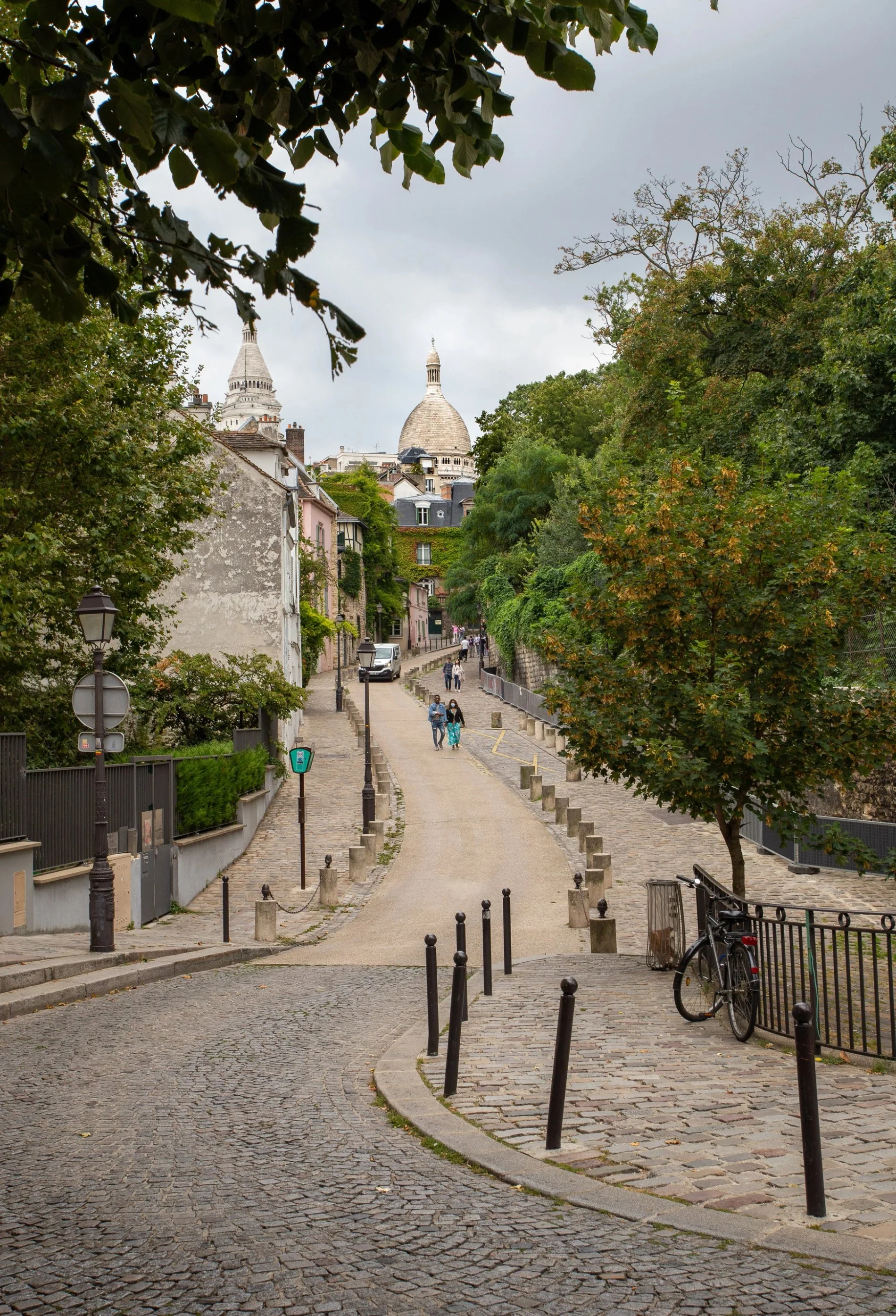
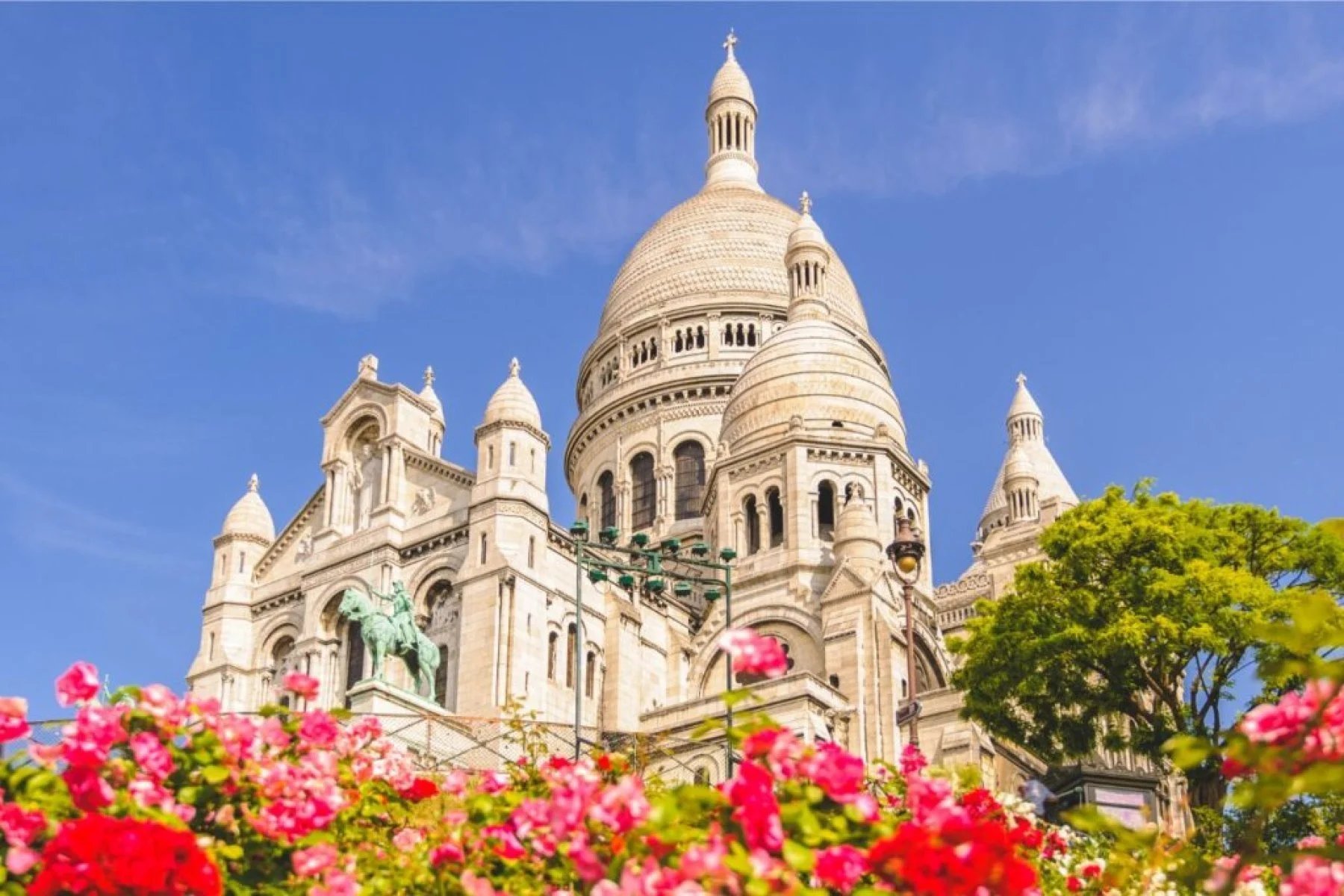
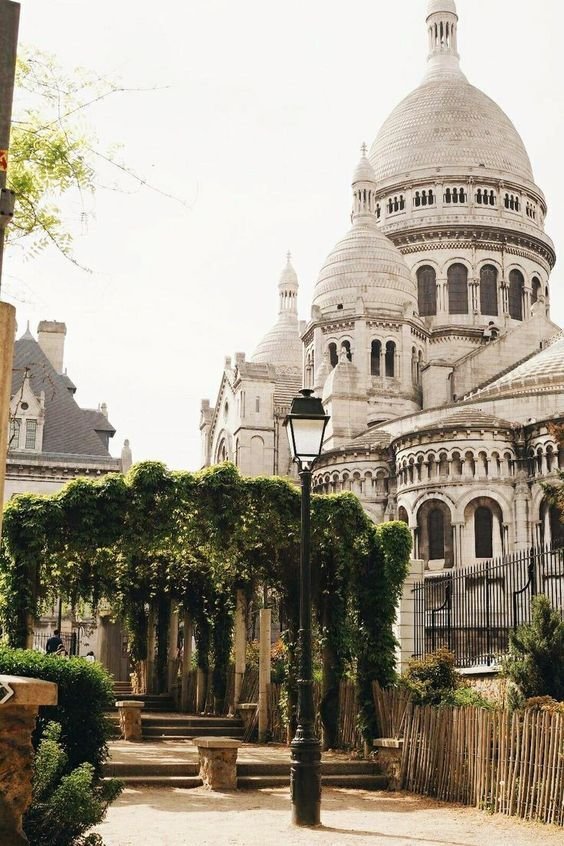
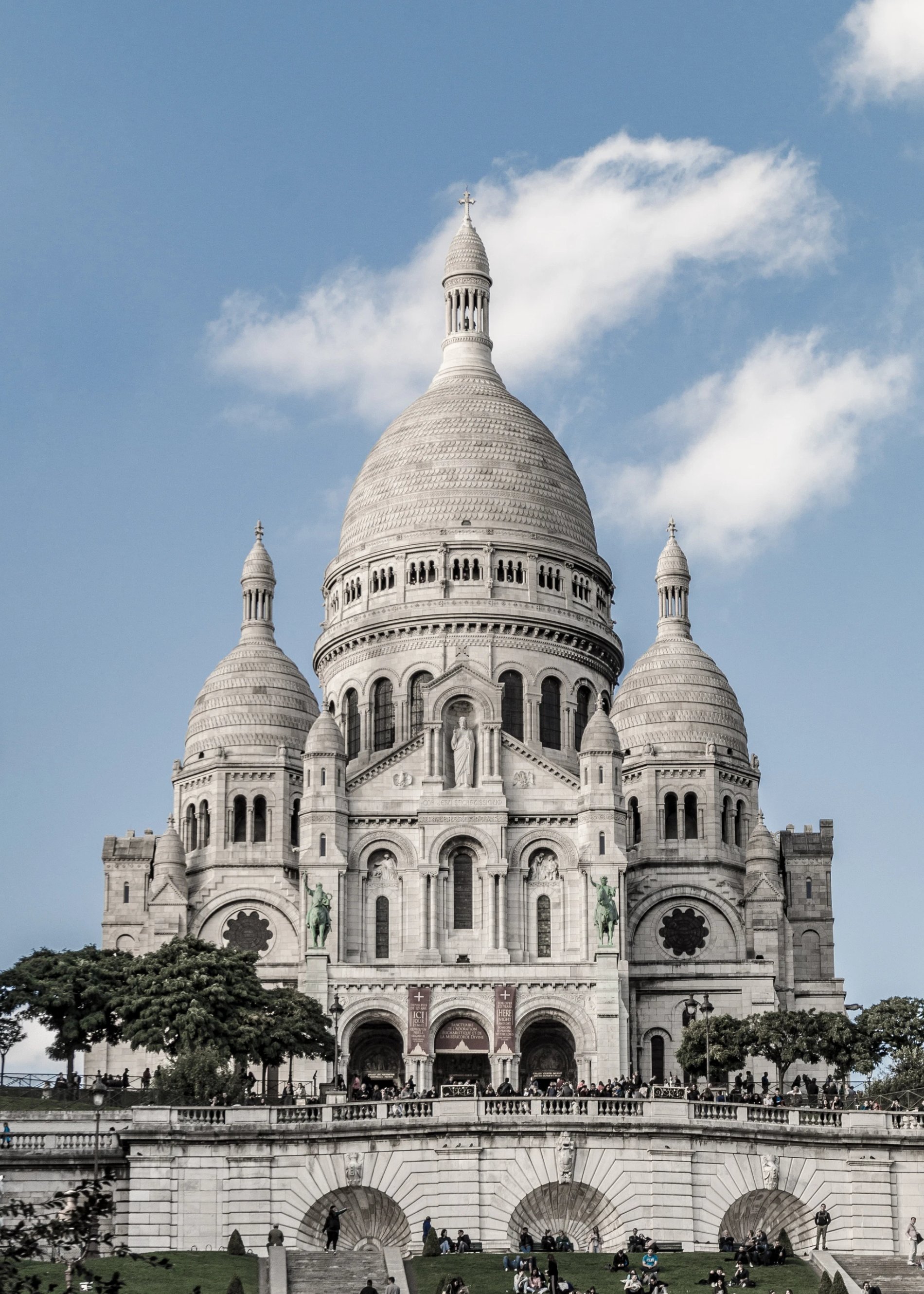
A walk through Montmartre quickly shows why this Paris neighborhood feels like an authentic village rather than a city district. Where the rest of the capital stretches out in grand boulevards, the hill keeps its bohemian spirit, with its stairs, its picturesque lanes and its low houses. At the summit stands the magnificent Sacré-Cœur basilica, its white silhouette watching over the city since the late 19th century.
The artistic history of Montmartre in Paris runs deep. From the second half of the 19th century, this district became the home of a unique bohemian culture. Famous artists such as Renoir, Van Gogh and Toulouse-Lautrec, who all lived or worked nearby, then Picasso at the Bateau-Lavoir, turned the hill into a high place of creation. Every artist left a work, a trace, a story here. To walk through these streets is to cross a century of energy, between cabarets, studios and cafés where modern art was invented and which still shines around the world today. Discovering the artistic heritage of Montmartre is, above all, a journey through time.
Morning: from the Sacré-Cœur to the Place du Tertre
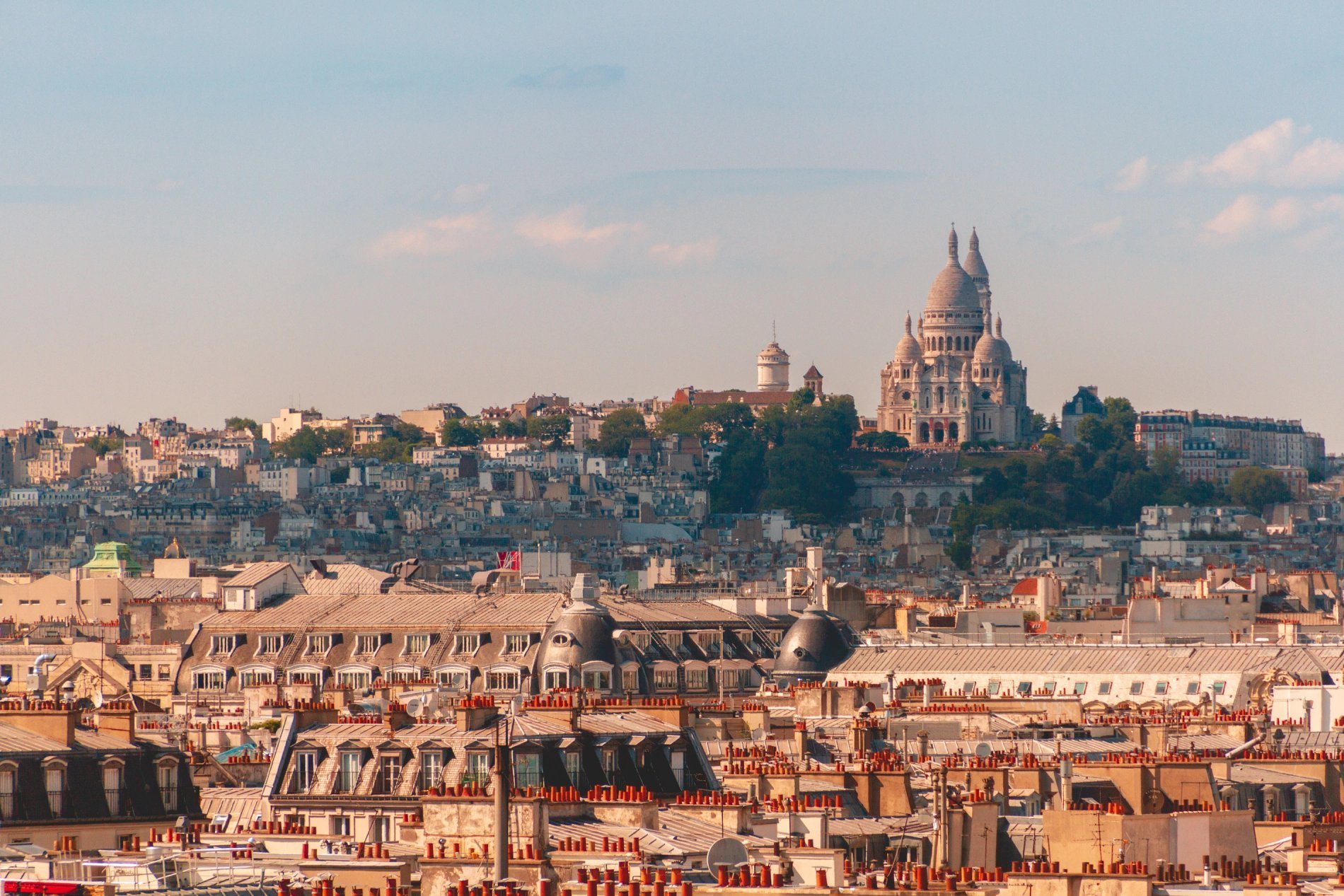
Start your day early, before the crowds arrive. From the foot of the hill, you have two choices to reach the top: climb the stairs of the square Louise Michel, or take the Montmartre funicular, which links the lower station to the forecourt in seconds. The effort is worth it. At the summit, the magnificent Sacré-Cœur basilica offers one of the most beautiful panoramic views of Paris, spread out at your feet in the morning light. Entry is freely accessible, and for the more adventurous, climbing the dome, high above the city, reveals an even more striking panorama.
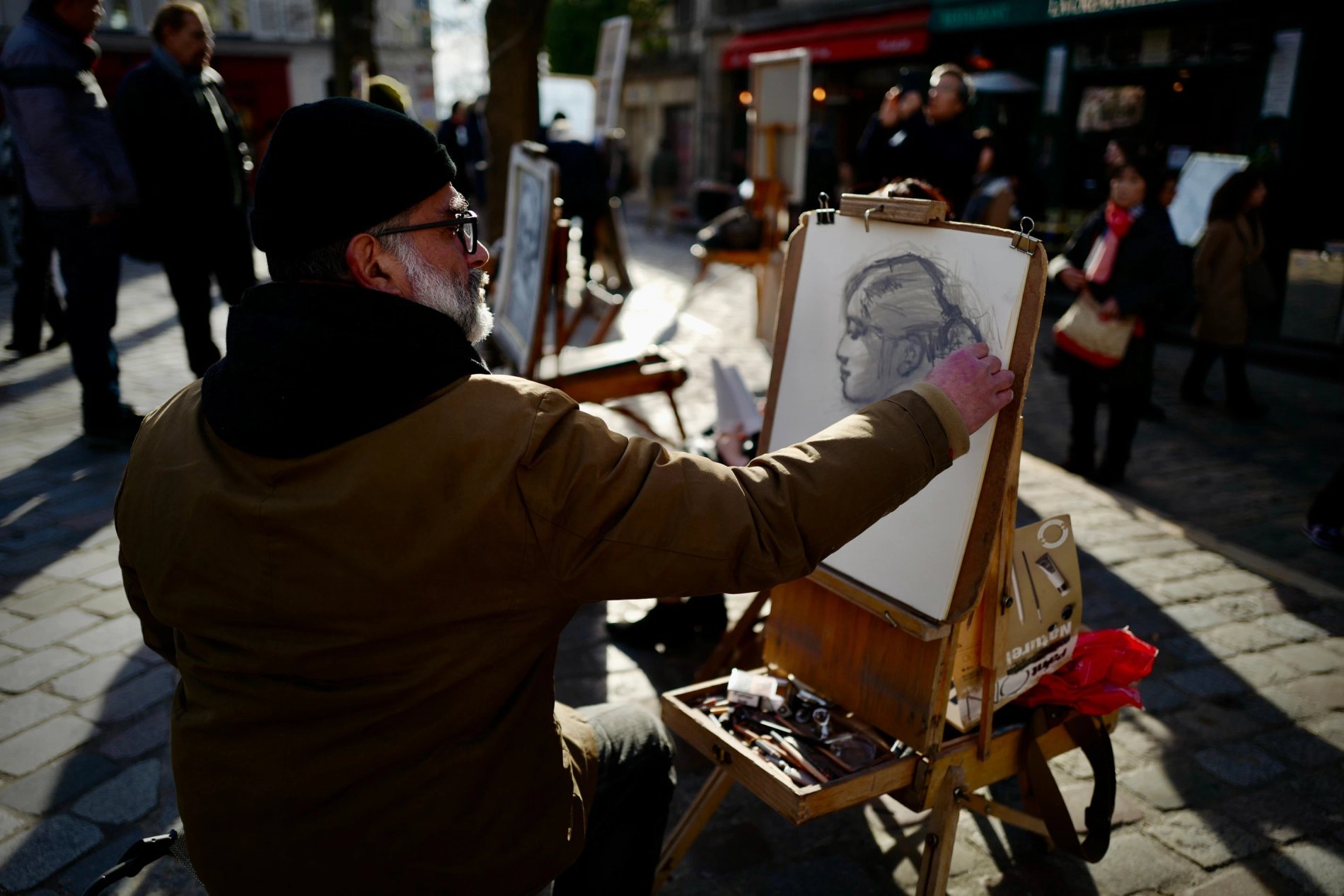
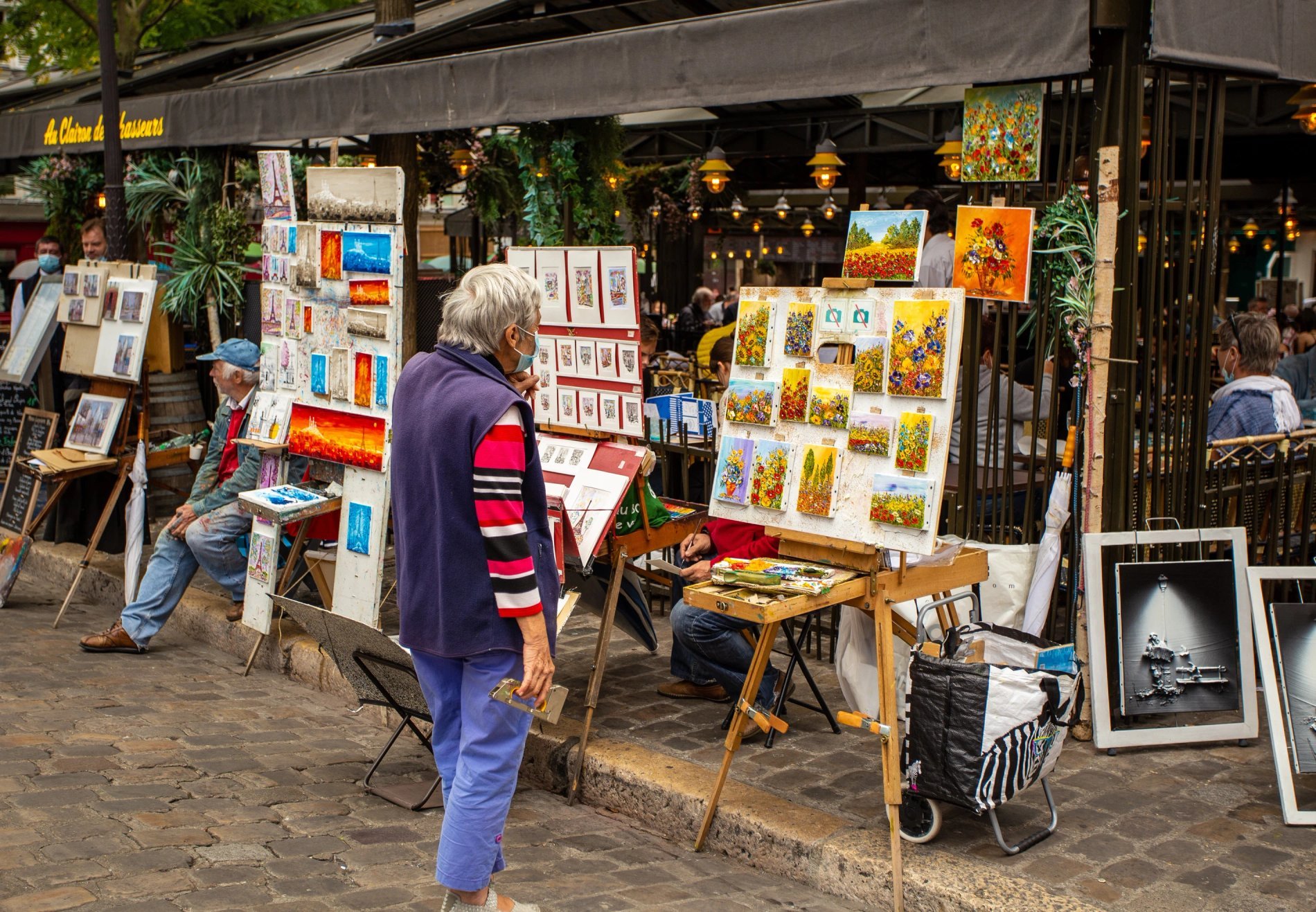
A few steps away, the Place du Tertre captures all the atmosphere of old Montmartre. Beneath the trees, painters and caricaturists set up their easels just as in Picasso's inspiration. Sit for a souvenir portrait, or simply admire the artists at work. All around, the cobbled lanes invite you to wander: walk on to the Saint-Pierre church of Montmartre, one of the oldest churches in Paris, often overshadowed by its neighbor the basilica.
Midday: a gourmet break in the heart of Montmartre
Lunchtime is perfect for discovering the Montmartre way of life. The neighborhood is full of bistros, sidewalk cafés and small places to eat. Settle into a traditional French meal at one of the iconic cabaret restaurants, or choose one of the best places to eat along the rue des Abbesses, livelier and popular with Parisians. For coffee or something sweet, don't miss the Breton crêperies nearby and the bakeries that built the hill's reputation for good food.
Before moving on, take a detour to the Place des Abbesses, served by one of the most beautiful metro stations on line 12, with its Art Nouveau entrance designed by Hector Guimard. This is also where you will find the famous Mur des Je t'aime, the wall of love where the declaration is written in more than 250 languages.
Afternoon: secret lanes and the Clos Montmartre vineyard
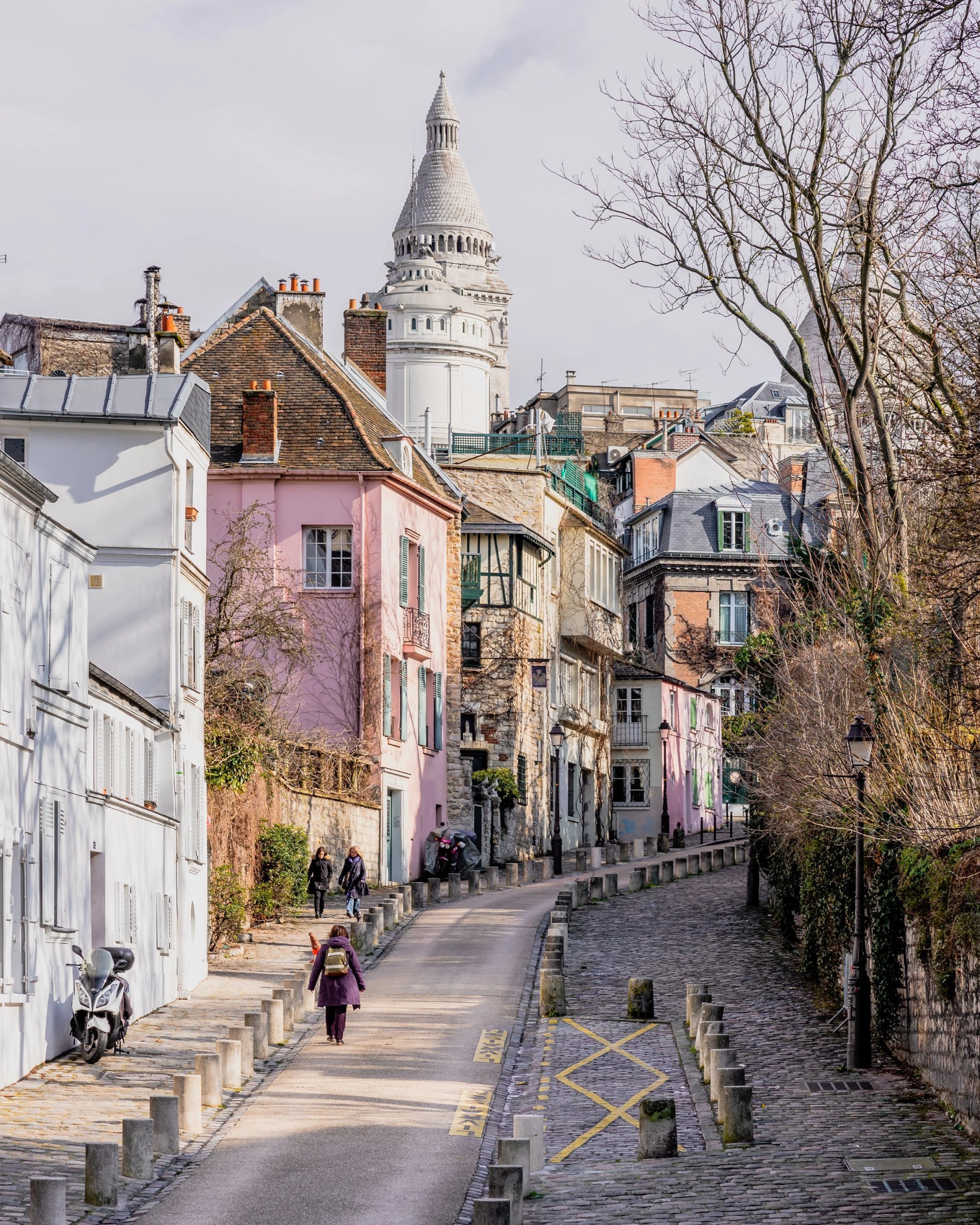
In the afternoon, leave the busiest paths to explore the Montmartre of insiders. Walk up the rue Lepic, where Vincent Van Gogh lived with his brother Theo, and where the Moulin de la Galette, immortalized by Auguste Renoir in a famous work, still recalls the days of the hill's windmills. Continue toward the rue de l'Abreuvoir, one of the prettiest streets in Paris, which leads to the Maison Rose, the little raspberry-colored café that so many painters have depicted, and a favorite spot for photographers. Here, every façade tells a story.
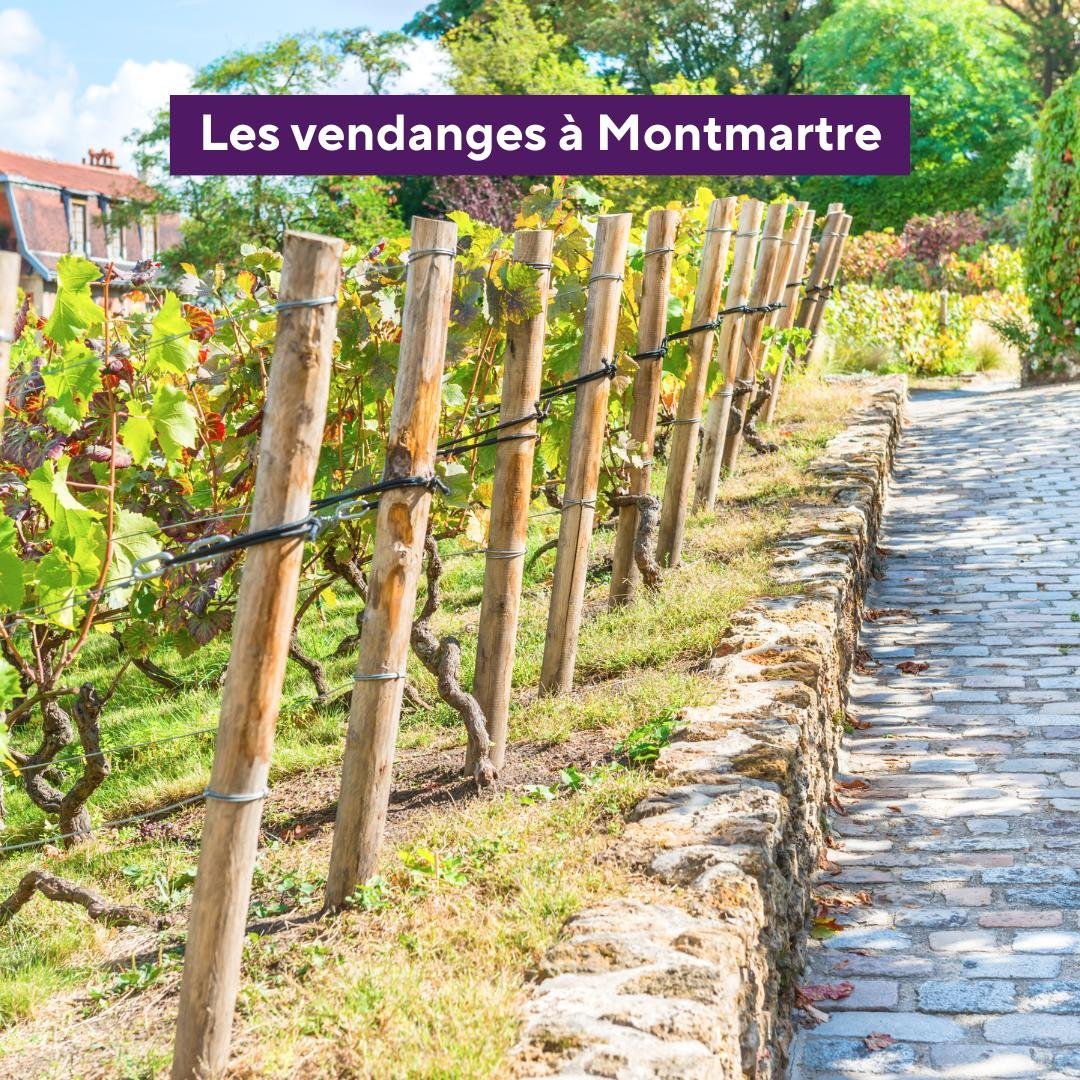
Close by, at the corner of the rue des Saules and the rue Saint-Vincent, the Clos Montmartre vineyard hides its treasure: the last working vineyard in the capital. Each autumn, around the second weekend of October, the Fête des Vendanges brings the neighborhood to life for five days, with a parade, free concerts and a rich program of food-themed events. The wine produced here is not sold commercially, which makes it one of the best-kept secrets of the 18th arrondissement.
Go a little further to discover unusual spots such as the Villa Léandre, a paved alley with the look of an English village, or the Passe-Muraille, a statue honoring the work of writer Marcel Aymé. Art lovers can extend the visit to the Montmartre museum, which we cover below, while history enthusiasts can finish at the Montmartre cemetery, where Dalida rests, her former house just steps away. If nature calls, the square Louise Michel and its lawns offer a peaceful pause, away from the streams of visitors.
Museums and cultural sights to see in Montmartre
Montmartre is more than its lanes. The neighborhood is home to several museums worth a visit:
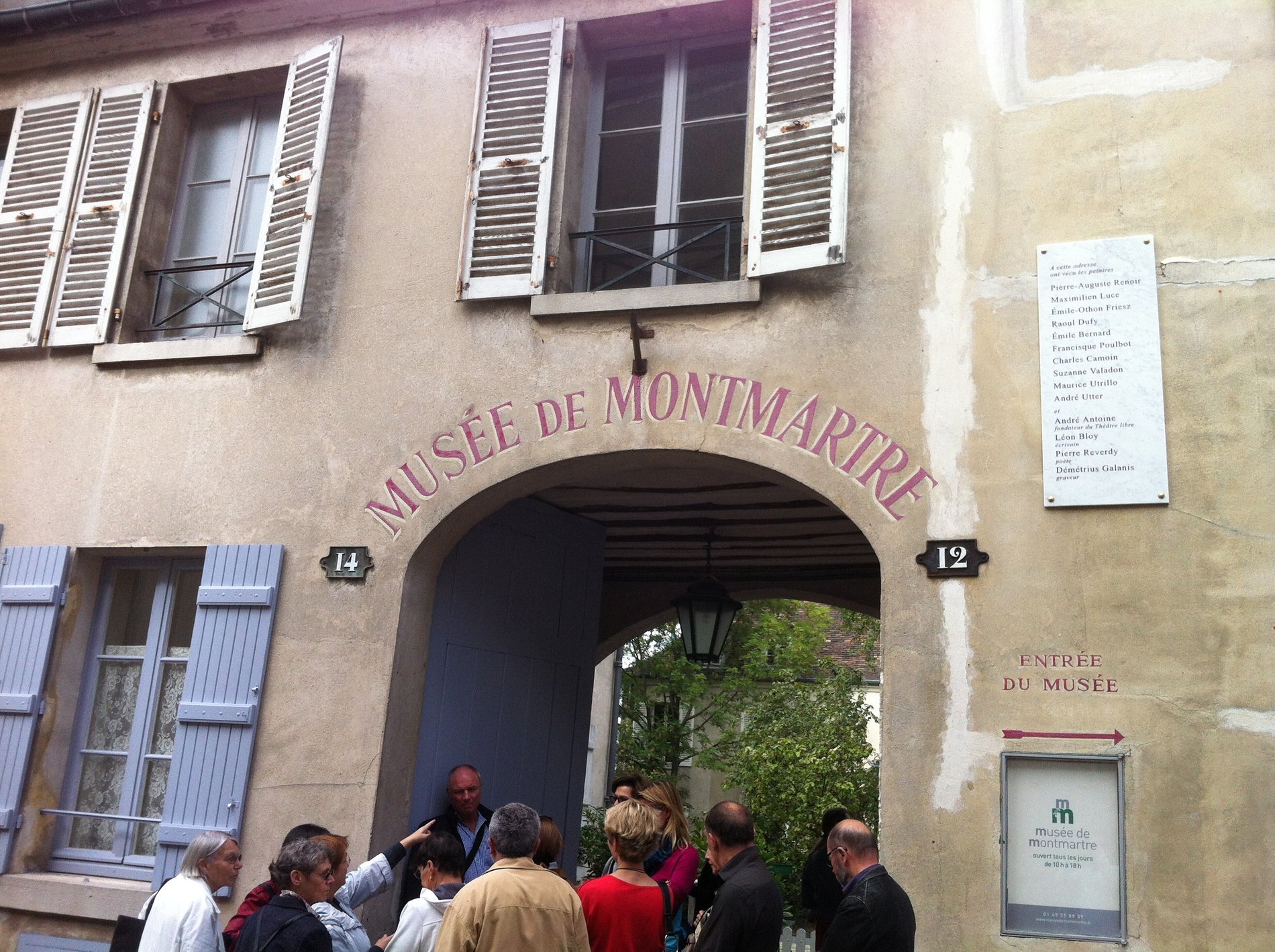
- The Montmartre museum, set in the oldest house on the hill, traces the artistic life of the area and gives access to charming gardens.
- The Espace Dalí immerses visitors in the surrealist universe of Salvador Dalí, perfect for lovers of unusual art.
- At the foot of the hill, the Halle Saint-Pierre combines art brut and temporary exhibitions in a former Baltard-style hall.
- The Musée de la Vie Romantique evokes the 19th century in a charming private mansion.
Whether you are a painting enthusiast or simply curious, these places tell the soul of Montmartre in their own way.
Evening: cabarets and bohemian atmosphere
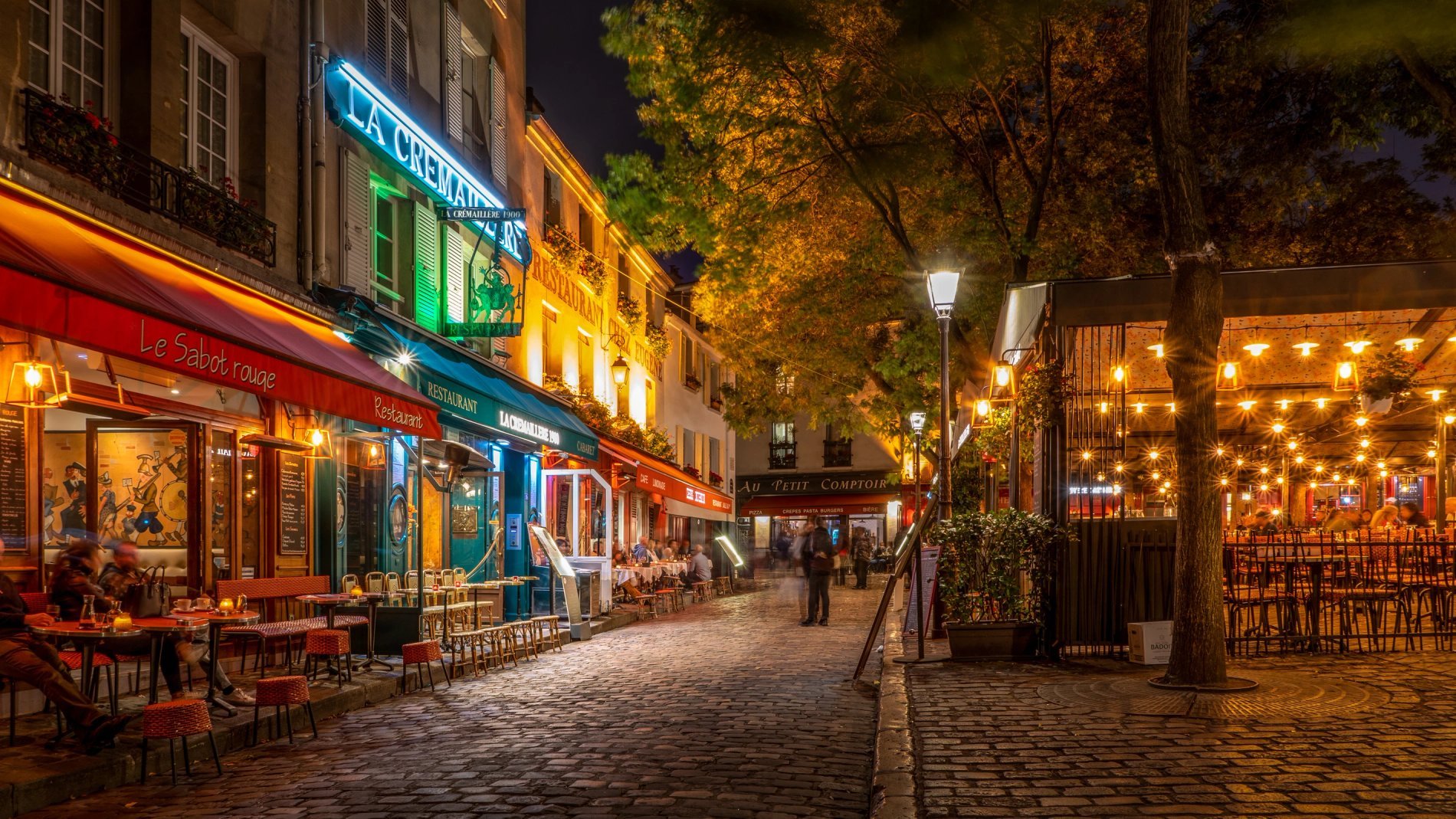
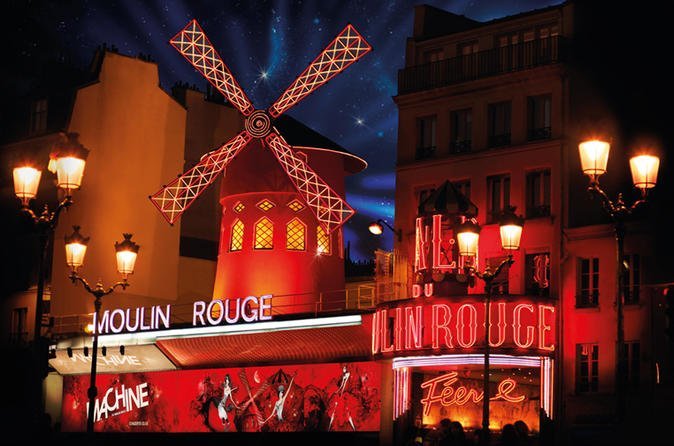
As night falls, Montmartre changes its face. Head down toward the Place Blanche and the Place Pigalle, where the famous Moulin Rouge lights up the boulevard de Clichy, near the Rue des Martyrs. A symbol of the Belle Époque, the cabaret has thrilled audiences since 1889, and since July 2025 its red sails have been turning again in the Parisian sky after more than a year's absence. Whether you watch a French Cancan show, enjoy a drink at a nearby bar or simply take a photo in front of the façade, the experience remains a must on any night out on the hill.
For a more intimate evening, the Lapin Agile cabaret keeps the bohemian spirit of the past alive, with its French songs and a décor left untouched by time. It is in places like these that the artistic heart of Montmartre still beats, far from the clichés and the postcards.
The Hôtel Les Jardins de Montmartre, your base to explore the hill
A day in Montmartre is all the better when you sleep on site, as close as possible to the village. Located at 131 rue Ordener, this Montmartre hotel is a charming address, ideally placed to reach the whole neighborhood. Its location, a few minutes from the Sacré-Cœur and from the Jules Joffrin and Lamarck-Caulaincourt metro stations, makes it a perfect starting point for sightseeing, shopping and exploring at any time of day.
Comfortable rooms in the heart of the 18th arrondissement
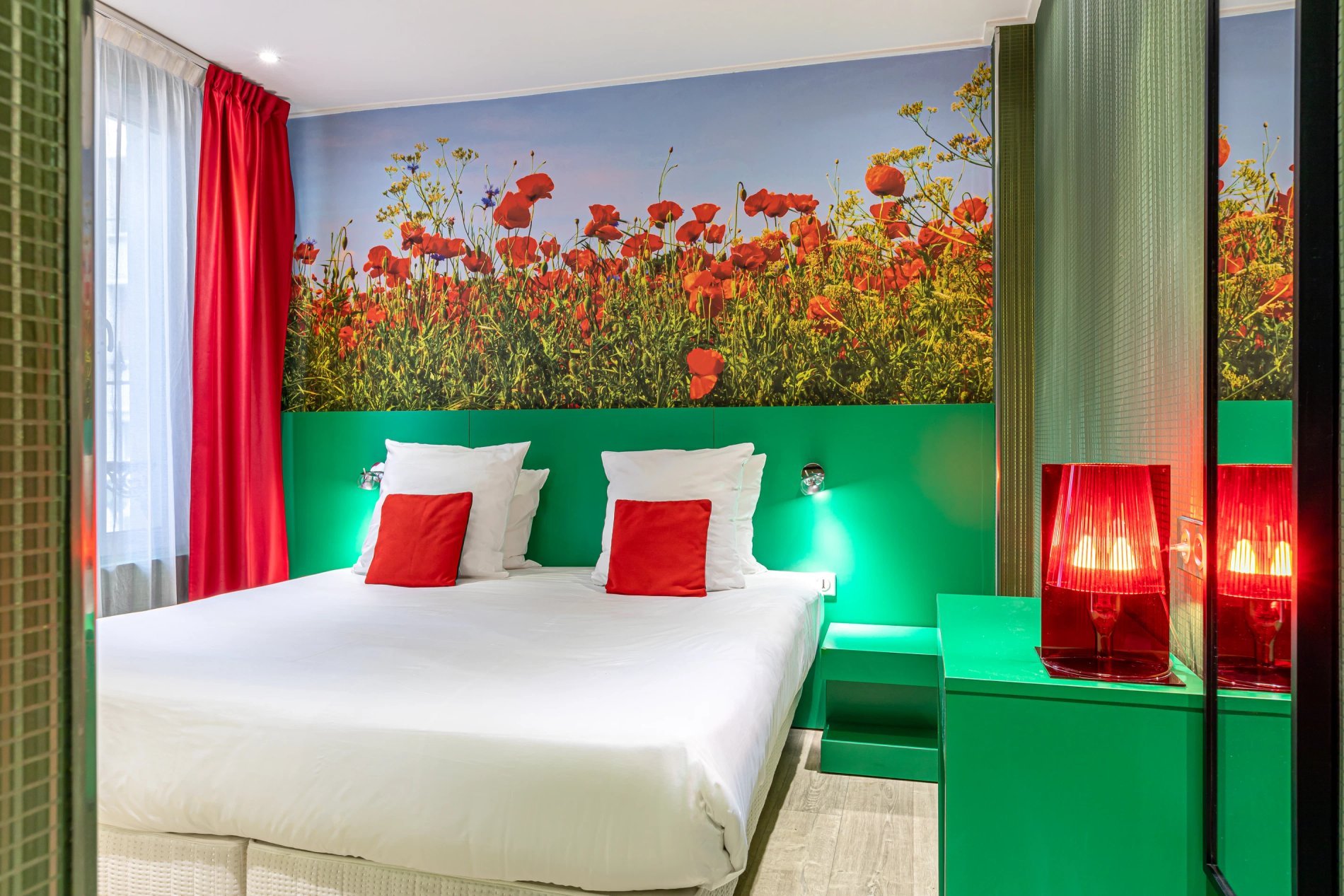
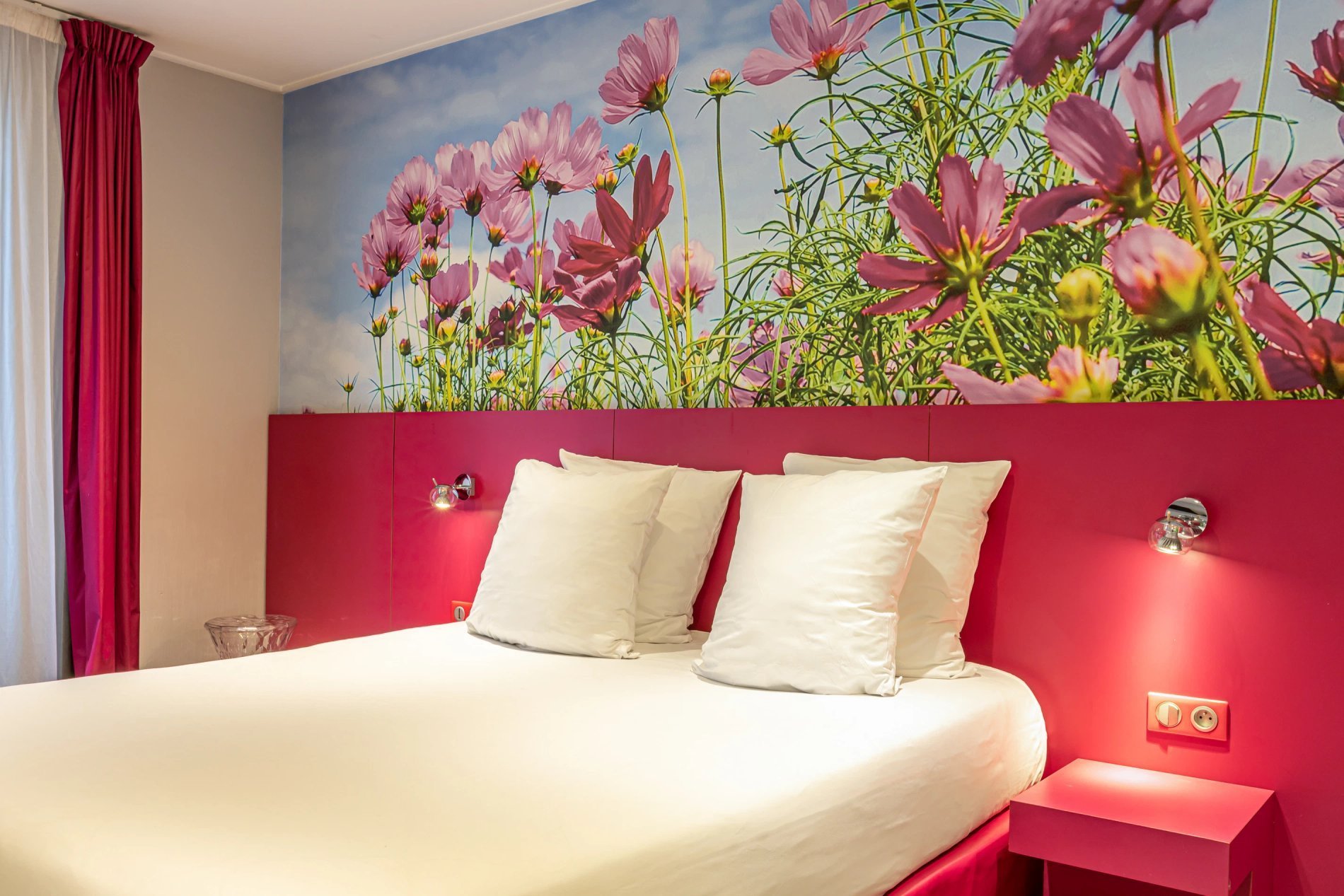
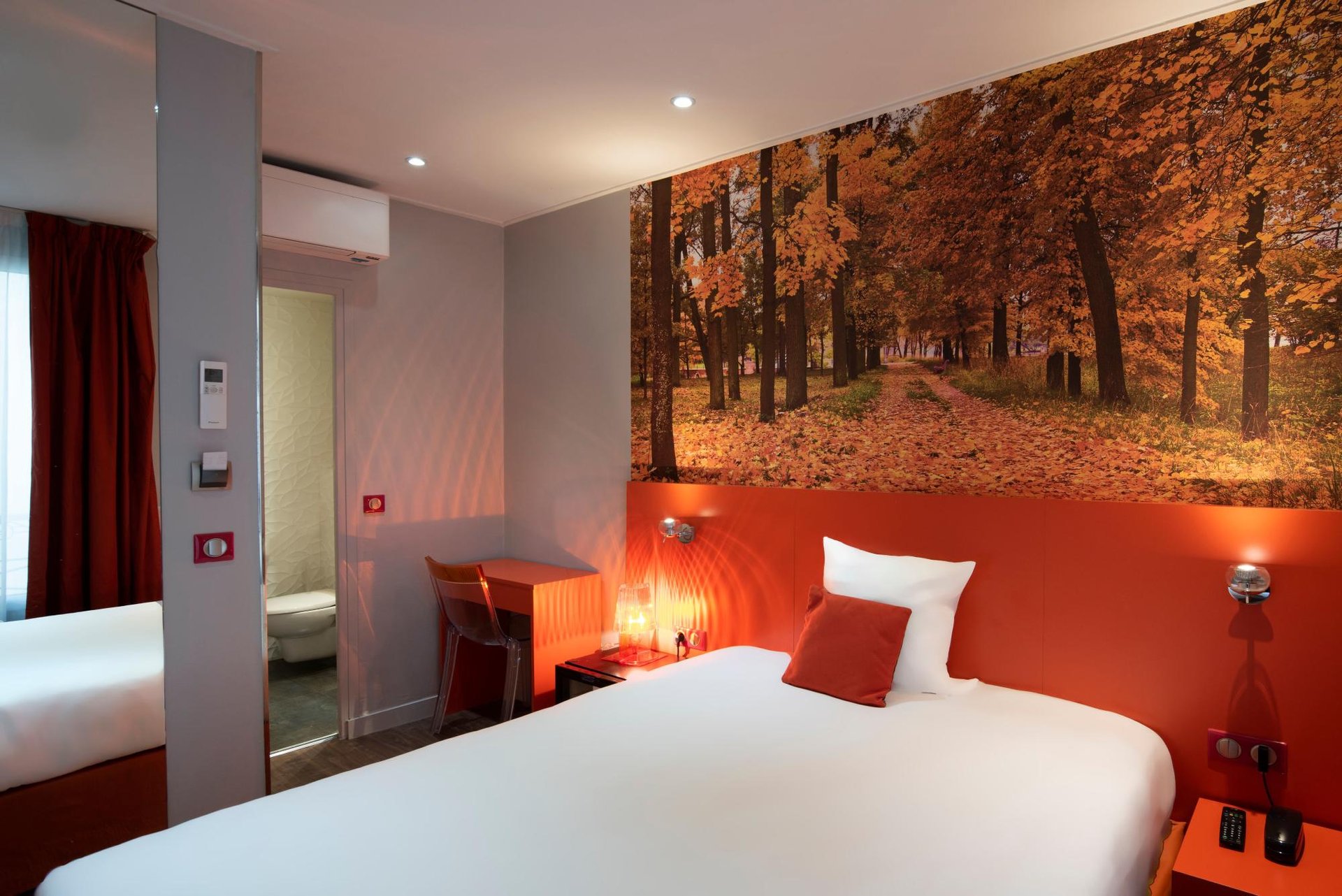
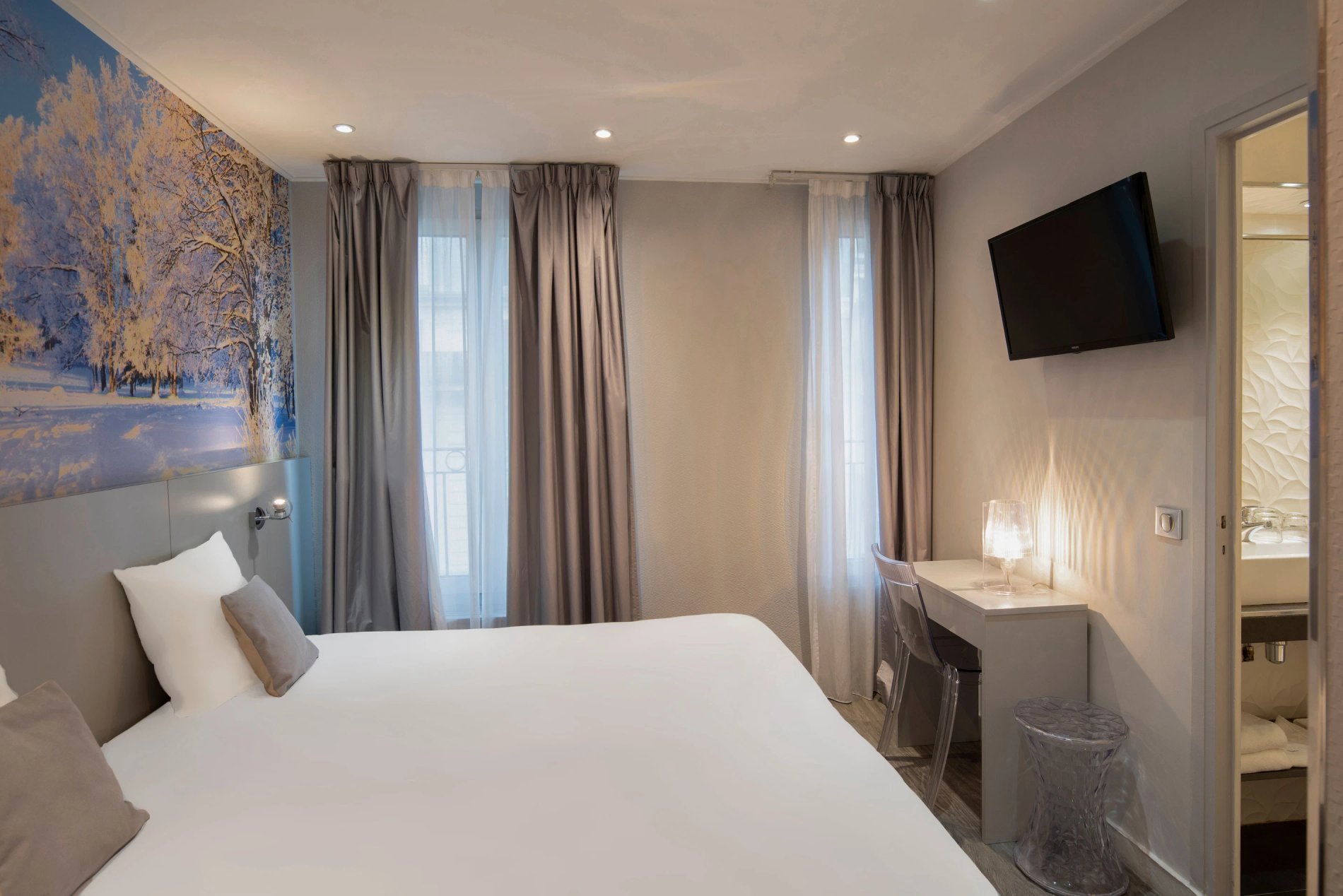
The hotel has 38 air-conditioned and soundproofed rooms, recently renovated for a restful stay. Each room, whether single, twin, double, superior or deluxe, offers a comfortable bed, a flat-screen television, a safe, a bathroom with shower or bathtub and free wifi access. Whether you travel alone, as a couple or as a family, and whatever room you prefer, you will find one that suits your getaway.
Services designed for your stay
To start the day well, a generous and varied buffet breakfast is served every morning, made of fresh produce and local specialties. The reception, open 24/7, is on hand for any advice or practical information. Thanks to the online concierge service and the partnership with the Greeters, you can also book a guided walking tour of Montmartre or arrange a custom circuit across Paris before you travel. Feel free to get in touch with the team before your arrival.
What to see in Montmartre depending on your time
If you only have half a day, focus on the trio of the Sacré-Cœur, the Place du Tertre and the rue de l'Abreuvoir. With a full day, add the Clos Montmartre vineyard, the Moulin de la Galette and an evening near Pigalle. We highly recommend leaving time for the local food, as the dining options on the hill are part of the experience.
For a family visit, the little tourist train travels the steep lanes effortlessly, from the basilica to the Place du Tertre, an ideal option with children. And if art is your passion, the Montmartre museum and its garden deserve a stop of at least an hour. Whatever you prefer, exploring Montmartre on foot, in comfortable shoes, is the nicest way to enjoy it.
Book your stay at Les Jardins de Montmartre for your day in Montmartre
A day in Montmartre leaves a lasting memory, that of a walk between art, history and Parisian panoramas. To live this experience fully, nothing beats an address in the heart of a neighborhood rich in discoveries.
The Hôtel Les Jardins de Montmartre welcomes you to extend the magic after the last stroll. Check availability, prices and special offers, and enjoy the best rate guaranteed by booking directly on the official website. You can subscribe to our newsletter to enjoy our exclusive offers.
FAQ – Frequently asked questions about your day in Montmartre
How can you visit Montmartre in one day?
To visit Montmartre in one day, start early with the Sacré-Cœur and the Place du Tertre, have lunch in the heart of the village, explore the secret lanes and the Clos Montmartre vineyard in the afternoon, then end the evening near the Moulin Rouge. This self-guided walking itinerary is one of the best things to do on a short stay in Paris.
What are the must-see sights in Montmartre?
The must-see landmarks in Montmartre are the Sacré-Cœur basilica and its panoramic view of Paris, the Place du Tertre and its painters, the wall of love, the rue de l'Abreuvoir, the Maison Rose, the Clos Montmartre vineyard and the Moulin Rouge in Pigalle, the famous cabaret known for its Parisian atmosphere. The district also has many cobbled lanes, hidden gems and secret passages to explore.
How do you get to Montmartre by metro?
Montmartre is served by several metro stations and public transport options. Line 12 serves Abbesses and Jules Joffrin, line 4 stops at Simplon, and Lamarck-Caulaincourt is also close by. The Abbesses metro station, one of the deepest in Paris, drops you in the heart of the neighborhood, a few minutes' walk from the Sacré-Cœur. The Montmartre funicular also saves you the climb up the stairs to the top of the hill.
When does the Fête des Vendanges de Montmartre take place?
The Fête des Vendanges de Montmartre takes place every year in October, usually around the second weekend. For five days, the neighborhood celebrates the wine of the Clos Montmartre with a grand parade, free concerts and local food events, drawing hundreds of thousands of visitors to the 18th arrondissement of Paris.
Can you visit Montmartre with family?
Yes, Montmartre is perfectly suited to a family visit. The little tourist train travels the steep lanes without any effort, from the Sacré-Cœur to the Place du Tertre. Children enjoy the funicular, the painters of the Place du Tertre and open spaces like the square Louise Michel, ideal for a break in the open air.
Where should you stay to enjoy Montmartre?
The best place to stay to enjoy Montmartre is a hotel in the neighborhood itself. The Hôtel Les Jardins de Montmartre, on rue Ordener in the 18th arrondissement, 75018 Paris, offers comfortable rooms a few minutes from the Sacré-Coeur basilica, a nice starting point to explore the hill on foot and reach the Eiffel Tower and the whole city of Paris.
Read also
What to do in Montmartre?
Weekend in Montmartre